What Makes DTY Polyester Yarn Essential for Modern Textiles
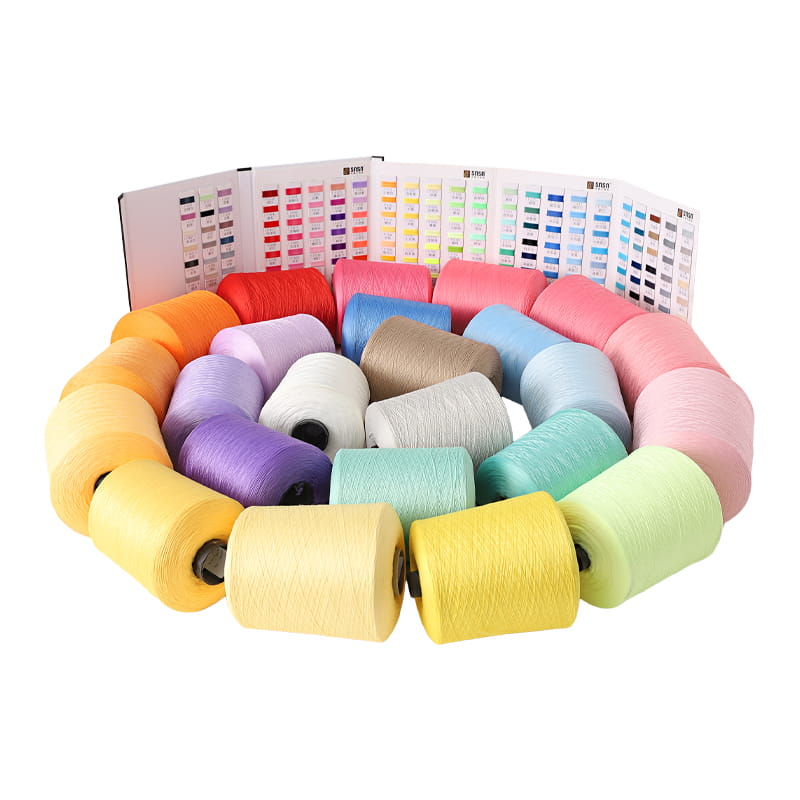
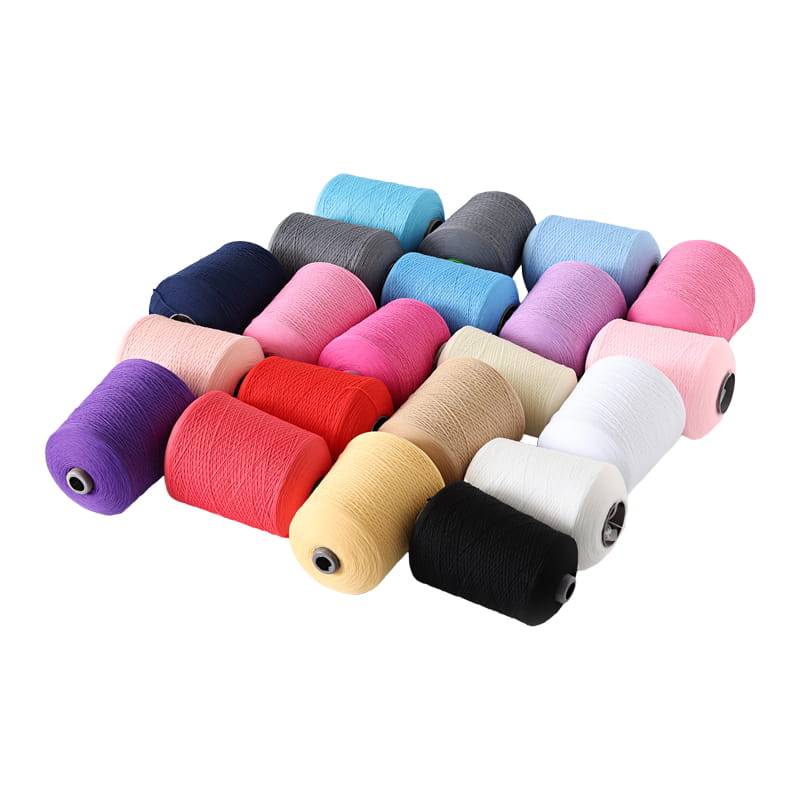
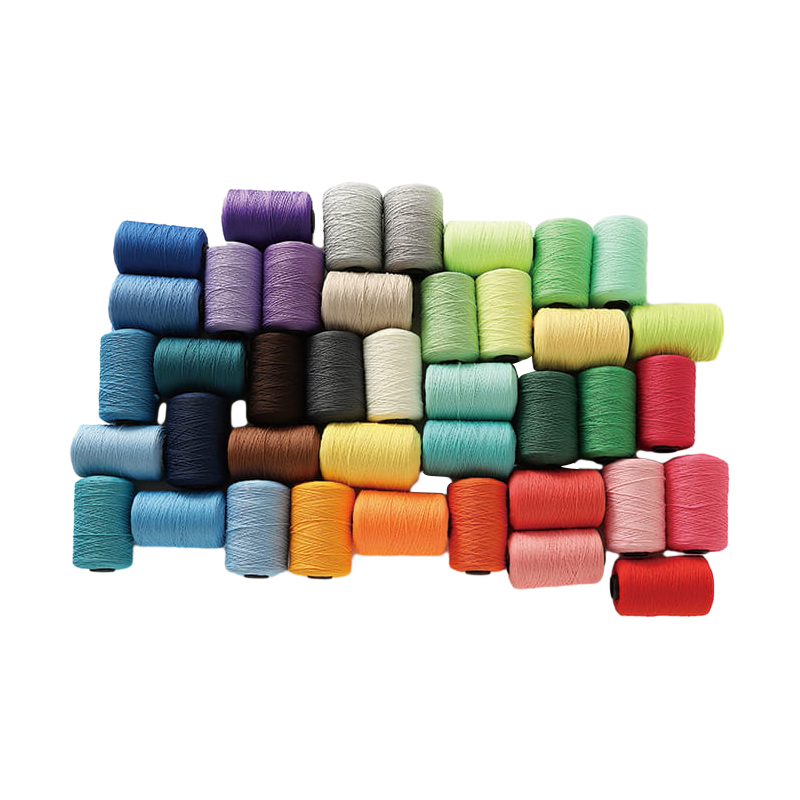
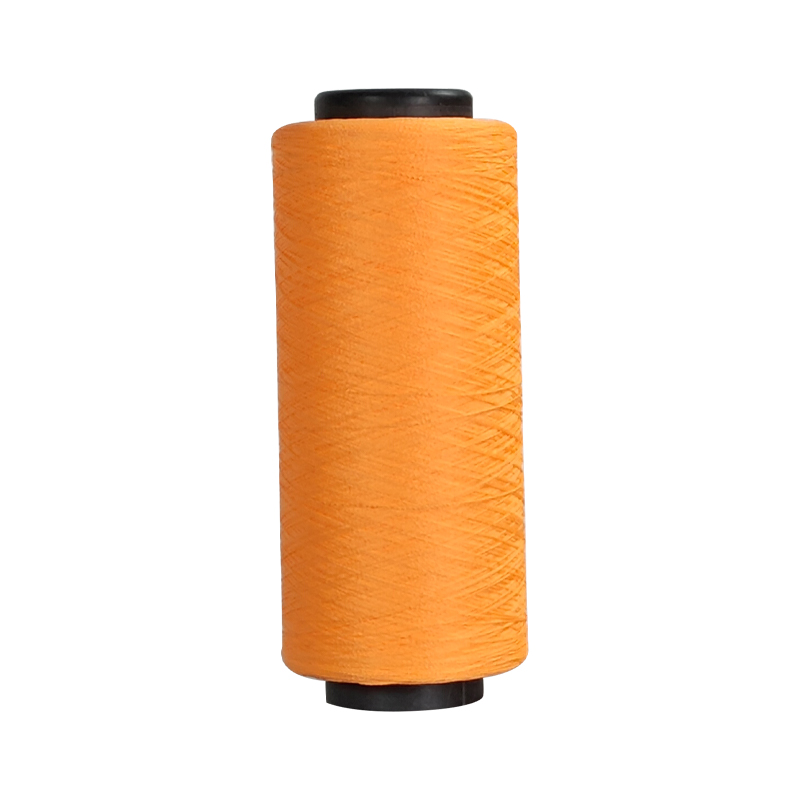
Drawn Textured Yarn (DTY) polyester stands as one of the most versatile synthetic fibers in the textile industry today. Its unique combination of elasticity, bulk, and durability makes it indispensable across both apparel and home textile applications. Unlike regular polyester filament yarn, DTY undergoes a texturing process that creates a crimped structure, giving it cotton-like softness while retaining synthetic performance benefits. This transformation enables manufacturers to create fabrics that stretch, recover, and maintain their appearance through countless wash cycles.
The global DTY polyester yarn market continues to expand, driven by demand for comfortable yet durable textiles. Approximately 65% of all polyester textured yarn produced worldwide goes into clothing manufacturing, while the remaining 35% serves the growing home furnishings sector. This balanced distribution reflects the material's adaptability to diverse end-use requirements.
Understanding the Technical Properties of DTY Polyester
Structural Characteristics That Enable Versatility
The texturing process fundamentally alters polyester filament structure. During manufacturing, continuous filaments undergo mechanical deformation that creates permanent crimps and loops along the yarn length. This crimped configuration delivers between 15% to 35% stretch and recovery capability, depending on the specific texturing parameters used. The resulting yarn exhibits superior bulk compared to flat filament alternatives, creating fabrics with improved insulation and moisture management properties.
DTY polyester typically ranges from 50 denier to 300 denier, with filament counts varying from 24 to 288 filaments per yarn. Higher filament counts produce softer, more fabric-like hand feels, while lower counts create sturdier, more structured textiles. Micro-denier variants below 75 denier have gained particular traction in premium apparel applications where silk-like drape and subtle sheen are desired.
Performance Advantages Over Natural and Other Synthetic Fibers
When compared to cotton, DTY polyester offers superior dimensional stability. Fabrics containing high DTY polyester content typically shrink less than 2% after repeated washing, whereas 100% cotton fabrics may experience 5% to 10% shrinkage. This stability proves crucial for both fitted garments and home textiles that must maintain precise dimensions. The yarn also demonstrates excellent color fastness, with dyed DTY polyester retaining over 95% of initial color depth after 50 wash cycles under standard testing protocols.
Moisture-wicking capabilities distinguish DTY polyester in activewear applications. The hydrophobic nature of polyester fibers transports perspiration away from skin surfaces, facilitating evaporation. Laboratory testing shows DTY polyester fabrics can move moisture across fabric surfaces at rates 40% faster than comparable cotton constructions, contributing to enhanced wearer comfort during physical activity.
Apparel Applications: From Activewear to Everyday Fashion
Sportswear and Performance Clothing
Athletic apparel represents one of the largest DTY polyester consumption segments. High-stretch DTY variants with 25% to 35% elongation capability dominate yoga wear, compression garments, and running apparel. These applications leverage the yarn's ability to provide supportive fit without restricting movement. Four-way stretch fabrics, typically constructed using DTY polyester combined with spandex, enable garments to stretch both widthwise and lengthwise, accommodating complex body movements during exercise.
Seamless knitting technology has expanded DTY polyester use in base layer garments. Approximately 80% of seamless athletic underwear and thermal layers now incorporate DTY polyester blends, capitalizing on the yarn's smooth surface and minimal friction against skin. The material's quick-drying properties prove particularly valuable in outdoor and winter sports applications where moisture management directly impacts thermal comfort and safety.
Casual and Fashion Apparel
Beyond technical applications, DTY polyester has penetrated mainstream fashion through improved aesthetic qualities. Modern texturing technologies produce yarns with hand feels approaching natural fibers. Brushed or peach-finished DTY fabrics now constitute roughly 30% of all women's casual knitwear production, offering affordable alternatives to cotton and wool with enhanced durability.
Denim manufacturers increasingly incorporate DTY polyester into stretch jeans. Typical stretch denim formulations contain 2% to 3% elastane supported by 20% to 30% DTY polyester, with the remainder being cotton. This composition delivers the comfort stretch consumers demand while maintaining the authentic denim appearance and reducing overall garment weight by approximately 15% compared to all-cotton constructions.
| Apparel Category | Typical DTY Content | Key Performance Benefit |
|---|---|---|
| Yoga and Pilates Wear | 80% - 90% | Four-way stretch recovery |
| Running Apparel | 100% or blended | Moisture management |
| Stretch Denim | 20% - 30% | Comfort stretch with shape retention |
| Outerwear Linings | 100% | Lightweight insulation |
| Swimwear | 80% - 85% | Chlorine resistance and quick dry |
Home Textile Applications: Comfort and Durability for Living Spaces
Upholstery and Furniture Fabrics
Residential and commercial upholstery represents a growing DTY polyester market segment. High-tenacity DTY variants withstand abrasion testing exceeding 50,000 Martindale cycles, making them suitable for heavy-use furniture in hospitality and healthcare settings. The yarn's inherent stain resistance and ease of cleaning address practical concerns in high-traffic environments where maintenance costs significantly impact total ownership expenses.
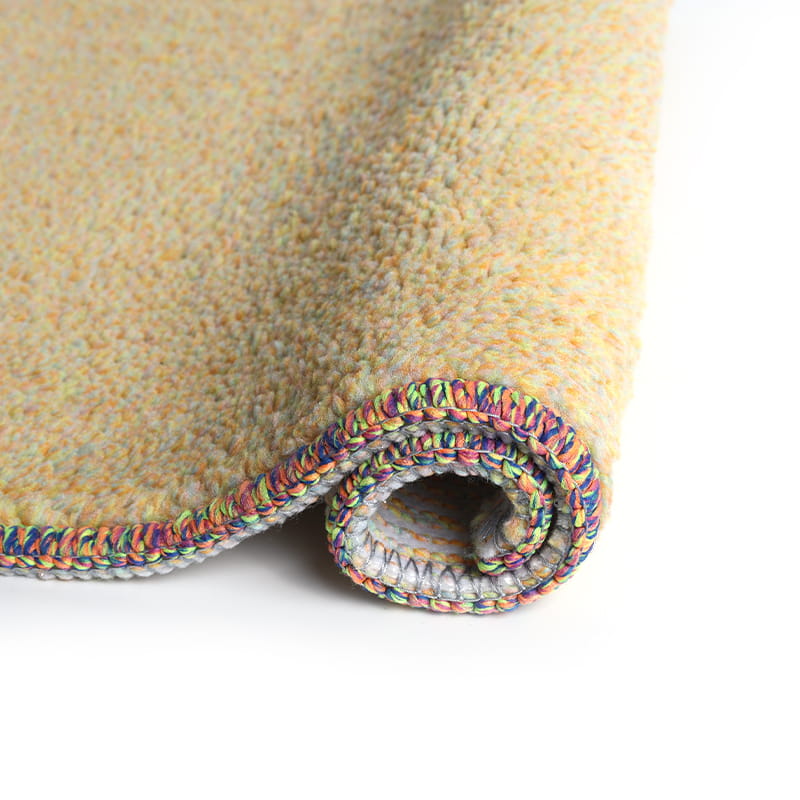
Contemporary upholstery designs increasingly employ DTY polyester to achieve specific aesthetic effects. Chenille and velvet-like textures, created through specialized weaving techniques using bulked DTY yarns, provide luxurious appearances at accessible price points. These fabrics now account for approximately 25% of residential sofa upholstery selections in mid-market furniture categories, offering alternatives to natural fiber velvets with superior fade resistance to sunlight exposure.
Bedding and Sleep Products
The bedding industry has embraced DTY polyester for components requiring specific performance characteristics. Mattress ticking, the protective outer fabric encasing mattress cores, frequently utilizes DTY polyester for its durability and resistance to body oils and perspiration. Quilted mattress covers incorporating DTY polyester face fabrics demonstrate tear strengths exceeding 40 pounds force, ensuring longevity through years of use and cleaning.
Pillow and duvet fillings represent another significant application. Hollow DTY polyester fibers, engineered with internal air channels, create lightweight insulation with excellent loft retention. High-quality synthetic fills using advanced DTY technology achieve warmth-to-weight ratios comparable to 600-fill power down, while offering hypoallergenic properties and machine washability that natural down cannot match. These fills have captured roughly 40% of the European bedding market and continue gaining share globally.
Curtains and Window Treatments
Window treatment manufacturers value DTY polyester for its dimensional stability and drape characteristics. Fabrics containing high DTY polyester content resist sagging and stretching that commonly affect natural fiber curtains over time, maintaining consistent hemlines and pleat definitions for years. The material's resistance to UV degradation also proves advantageous, with properly stabilized DTY polyester fabrics retaining over 80% of initial tensile strength after 1,000 hours of accelerated weathering testing.
Blackout curtain applications particularly benefit from DTY polyester construction. Multi-layer woven structures using densely packed DTY yarns achieve light-blocking rates exceeding 99% while remaining lightweight enough for standard curtain hardware. These specialized fabrics have become standard in hospitality installations, with major hotel chains specifying DTY polyester blackout linings for 90% of guest room installations.
Technical Textiles and Emerging Applications
Automotive Interior Components
Automotive manufacturers specify DTY polyester for interior textiles requiring specific performance standards. Seat fabrics must withstand extreme temperature variations, UV exposure through windows, and abrasion from constant entry and exit. Automotive-grade DTY polyester fabrics typically pass 100,000 double rub abrasion tests and maintain colorfastness ratings of 4 or higher on the Grey Scale after prolonged UV exposure. These specifications ensure interior components remain serviceable throughout vehicle lifespans, which now average 12 years in many markets.
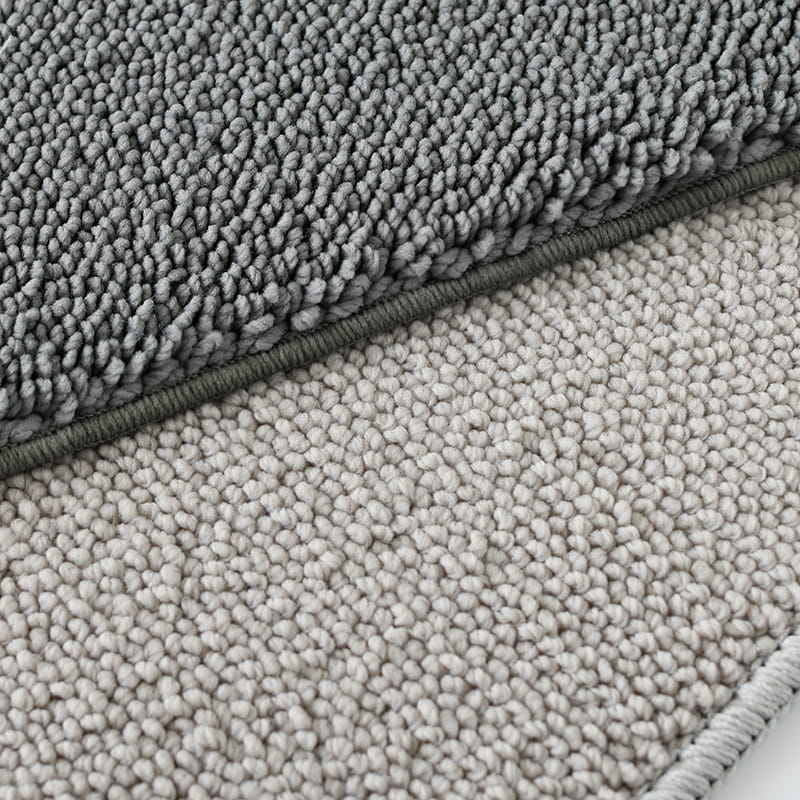
Carpet applications within vehicles also utilize DTY polyester, particularly in entry-level and mid-range vehicles where cost considerations favor synthetic materials. The yarn's resilience enables carpet constructions that resist matting and crushing underfoot traffic. Modern automotive carpets using DTY polyester backing and face yarns achieve sound absorption coefficients of 0.6 to 0.8, contributing to cabin quietness while reducing overall vehicle weight compared to traditional materials.
Geotextiles and Industrial Applications
High-tenacity DTY polyester variants serve civil engineering applications requiring long-term stability. Geotextile fabrics used for soil stabilization, drainage, and erosion control leverage the material's resistance to biological degradation and chemical exposure. Engineered geotextiles using DTY polyester demonstrate tensile strengths of 100 kilonewtons per meter or higher, with elongation at break typically below 15%, providing reliable performance in infrastructure applications.
Industrial filtration represents another specialized market. Filter fabrics woven from DTY polyester withstand continuous operation at temperatures up to 150 degrees Celsius while maintaining precise pore sizes for particle separation. These technical textiles serve industries ranging from cement production to food processing, where consistent filtration performance directly impacts product quality and operational efficiency.
Sustainability Considerations and Future Developments
Recycled Content and Circular Economy Initiatives
Environmental concerns have driven significant innovation in DTY polyester production. Recycled DTY yarn, manufactured from post-consumer PET bottles and industrial polyester waste, now constitutes approximately 15% of global DTY production. These recycled variants match virgin polyester performance characteristics while reducing reliance on petroleum feedstocks and diverting plastic waste from landfills.
Advanced recycling technologies enable closed-loop systems where end-of-life textiles return to raw material status. Chemical recycling processes break down polyester polymers to basic monomers, removing dyes and contaminants while maintaining material quality suitable for high-grade DTY production. Major textile producers have committed to incorporating 50% recycled content across polyester portfolios by 2030, with DTY yarn representing a primary focus due to its high-volume applications.
Biodegradable and Bio-Based Alternatives
Research into bio-based polyester polymers promises future DTY variants with reduced environmental impact. Polymers derived from renewable feedstocks such as corn sugar and agricultural waste are entering commercial production at limited scales. Current bio-based DTY polyester maintains identical processing characteristics and performance properties to petroleum-derived equivalents, enabling adoption without manufacturing equipment modifications.
Biodegradable polyester technologies represent another research frontier. Modified polymer structures enable controlled degradation under specific environmental conditions, addressing concerns about synthetic fiber persistence in natural environments. While not yet commercially viable for high-volume DTY applications, these technologies may become economically feasible within the next decade as production scales increase and regulatory pressures mount regarding textile waste management.
Selection Guidelines for Specific Applications
Choosing appropriate DTY polyester specifications requires understanding end-use demands. The following considerations guide selection across different applications:
- Denier selection: Lower denier counts (50-75) suit lightweight apparel requiring soft drape, while higher counts (150-300) serve heavy-duty upholstery and industrial applications
- Filament count: Higher filament counts (144-288) create smoother, more fabric-like surfaces; lower counts (24-72) produce textured, bulkier fabrics
- Cross-section shape: Round cross-sections provide standard performance; trilobal or multilobal shapes enhance luster and wicking properties
- Luster level: Bright luster suits fashion applications; semi-dull or full-dull finishes serve technical and understated aesthetic requirements
- Elasticity grade: Standard DTY provides 15-20% stretch; high-elasticity variants offer 25-35% for activewear and compression applications
Quality verification through testing remains essential regardless of application. Key performance indicators include evenness testing (U% values below 12% indicate good quality), tenacity measurement (minimum 3.5 centinewtons per tex for most applications), and shrinkage testing (boiling water shrinkage below 8% for dimensional stability). Reputable suppliers provide comprehensive technical data sheets enabling informed material selection.
Conclusion
DTY polyester yarn has established itself as a foundational material across the entire textile spectrum, from intimate apparel to heavy-duty industrial applications. Its unique combination of elasticity, durability, and processing versatility enables manufacturers to meet diverse performance requirements while maintaining cost efficiency. As sustainability initiatives drive recycled content adoption and bio-based alternatives mature, DTY polyester's role in both apparel and home textiles will likely expand rather than contract.
The material's successful migration from purely technical applications to mainstream fashion and home furnishings demonstrates its adaptability to evolving market demands. Future developments in polymer chemistry and texturing technology promise continued performance improvements, ensuring DTY polyester remains relevant in an increasingly environmentally conscious marketplace. For textile professionals and consumers alike, understanding this material's capabilities and selection criteria enables informed decisions that balance performance, aesthetics, and sustainability objectives.